The Science & Art of Horticulture
From Seed to
Your Table
Every fruit, vegetable, and flower on your plate or in your home begins its life as a tiny seed in the hands of an Indian farmer. Here's the remarkable journey it travels.
CHAI works at every stage of this journey - from supporting research and policy to recognising the innovators transforming Indian horticulture.
Why Horticulture
Matters
Discover how cultivating diverse crops drives global sustainability, economic growth, and human health.
Explore our Initiatives"Providing diverse, nutrient-rich crops that supplement staple diets and reduce dependence on a single commodity globally."
Food Security
Global Impact Area
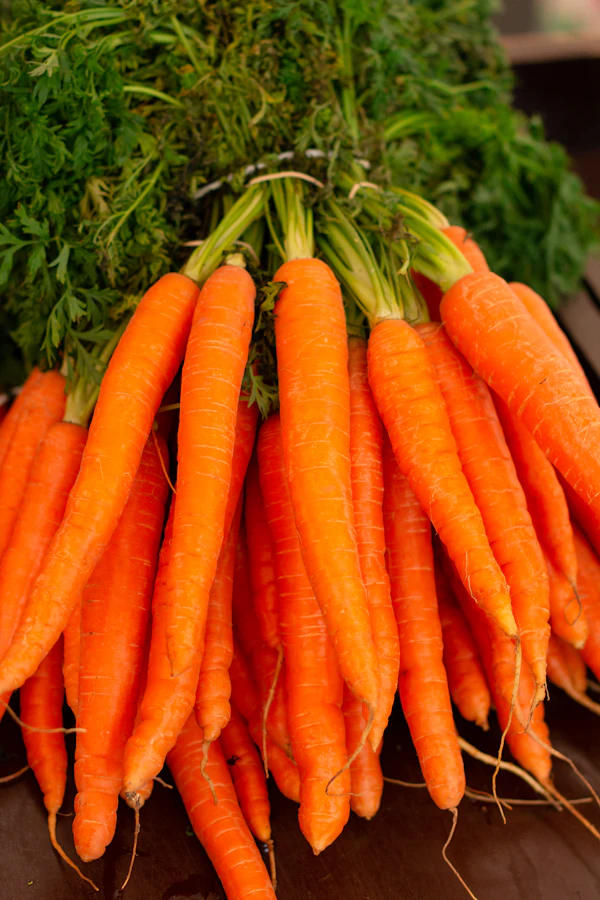
"Horticultural produce is rich in vitamins, minerals, dietary fiber, and antioxidants—essential for preventing nutrition-related diseases."
Nutrition & Health
Global Impact Area

"Supporting millions of small and marginal farmers, especially in developing economies, with stable income and employment."
Livelihoods
Global Impact Area

"Preserving traditional crop varieties and promoting agro-ecological practices that protect our natural heritage."
Biodiversity
Global Impact Area

"Encouraging eco-friendly farming methods including organic practices, composting, and integrated pest management."
Environment
Global Impact Area

"Directly contributing to Zero Hunger, Good Health, Decent Work & Growth, and Life on Land global initiatives."
SDG Alignment
Global Impact Area

Major Horticultural Crop Categories

Fruits
Apples, mangoes, bananas, citrus, grapes, berries — valued for taste, nutrition, and commercial versatility.

Vegetables
Tomatoes, potatoes, onions, leafy greens, root crops, tubers, and mushrooms — cornerstones of balanced diets.

Spices & Herbs
Pepper, cardamom, cinnamon, and culinary and medicinal herbs — adding flavor, aroma, and therapeutic value.
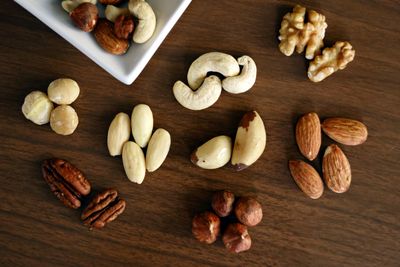
Nuts
Almonds, walnuts, cashews — dense sources of healthy fats, proteins, and micronutrients.

Medicinal & Aromatic
Cultivated for traditional and modern healthcare applications.

Plantation Crops
Coconut, arecanut, cocoa, tea, coffee, and cashew — major contributors to India's export economy.

Floriculture
Flowers and ornamental plants for aesthetic, cultural, and economic purposes.

Landscape & Turfgrass
Design and maintenance of aesthetic and functional landscapes, parks, and recreational areas.